

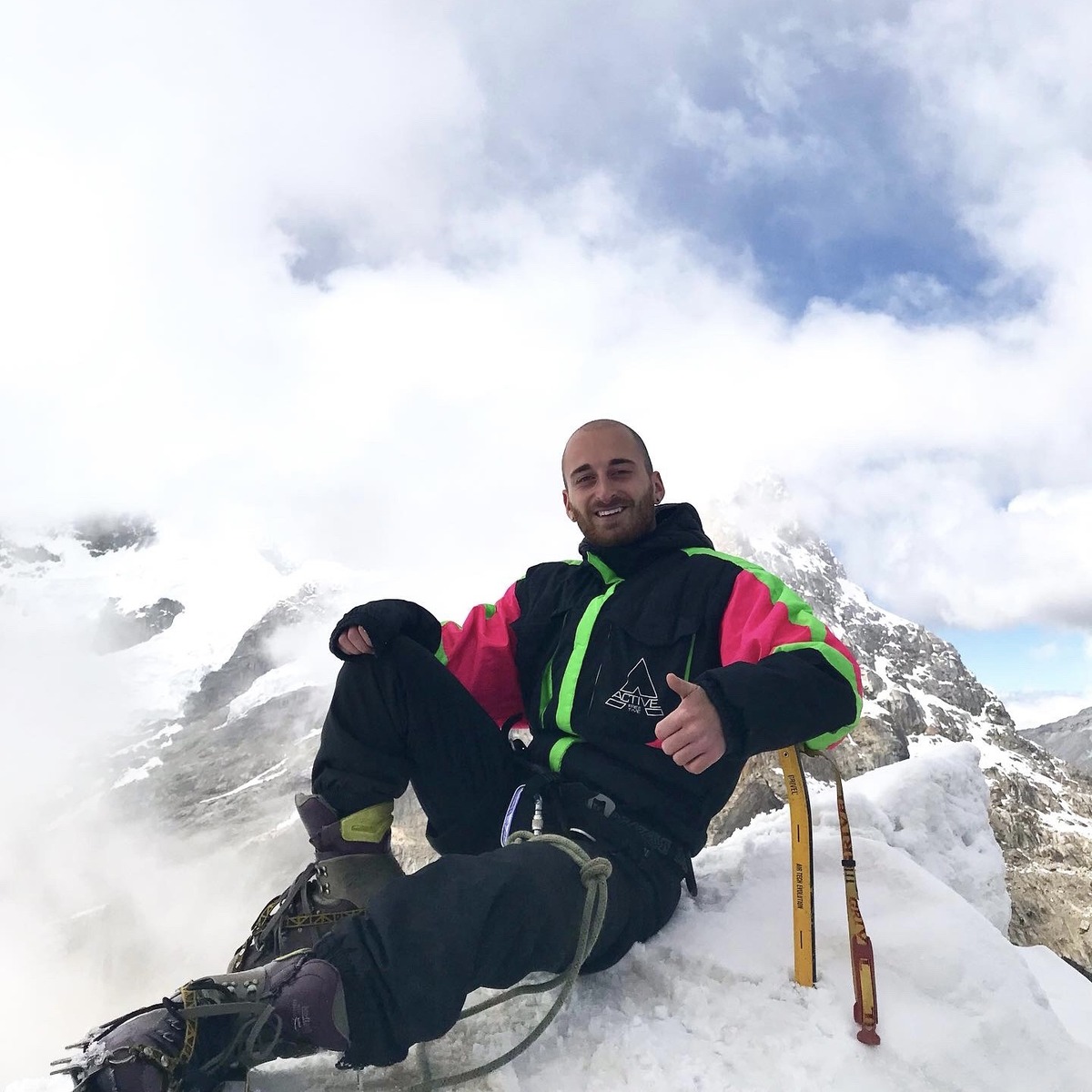
This South American country is famed for its fair share of towering snow-lined Andean mountains and cloudforest peaks – however many of the best hikes in Peru are actually easier to trek than you might think.
I’ve spent many years embarking on all kinds of incredible treks such as the Inca Trail to Machu Picchu and summit climbs in Huaraz, and have lived to tell the tale of the very best options out here in Peru.
Below in this article I’ll share some of the very best hikes in Peru that I’ve experienced, everything that I’ve learnt from them, and why this country continues to be the perfect choice for trekkers who want the most complete experience.
5 Best Hikes In Peru From My Experience
The Ausangate Trek To Rainbow Mountain (Cusco)

Ausangate is a National park located some 55km from Cusco, which is famed for its multicolored lagoons and tall peaks of the Vilcanota Mountain Range.
A few years prior I had done the basic day trip around the Seven lagoons that sit beneath the peaks, however when I got the opportunity to go for the proper multi-day trek I jumped at it eagerly with both hands.
Starting off in the remote Andean town of Upis, we had a breakfast and prep talk from our guide before setting off. This first day was quite a relaxing and mostly horizontal walk – where we saw flocks of Alpacas and Llamas – until we reached the first campsite. A friendly local let me use their naturally hot jacuzzi at night which was a bonus (pro tip: slowly make your way in as the freezing Andes temperatures can make a quick entry into hot water very painful – as I ended up finding out).
The next two days saw us hike in high altitudes of 4000-5200m, walking through steep mountain passes, and enjoy some truly incredible close-ups of the Ausangate glacier and hidden lagunas. While altitude sickness was an issue on the last day, making it to Rainbow Mountain on day 3 felt truly awesome.
The Yumbilla Falls Hike (Chachapoyas)

Next we head up to Chachapoyas – a city which is hidden within the cloudforests and ceja de selva regions of northern Peru.
Yumbilla Falls was not even on my itinerary list when I visited, but boy was I happy when I found out about it from local guides. Like most, I came here to experience the famous Gocta Falls, however once I heard that Yumbilla Falls was ranked the fifth tallest waterfall on the planet (895m tall) – I quickly set a full day aside for this beast.
Given it was only recently discovered, it meant that this waterfall was still more of a word-of-mouth destination to visit rather than a mainstream site. This meant that I only saw two groups on the entire jungle trail to the falls, which when hiking alone really allows you to connect with the primitive jungle surrounding you – and is a must add for any Peru bucket list.
There are two miradores for enjoying this beautiful waterfall – the first where you can see it drop several hundreds of meters below you into the rainforest, and the second where you can see a giant cascade fall down from a high mountain ridge.
The Inca Trail To Machu Picchu Trek (Cusco)

Weaving through sacred mountains, indigenous settlements and remote cloudforests, the Inca Trail is even better than it is usually hyped up to be.
Here I spent four days following the ancient Inca Trail path – walking along the original stone steps that the Inca civilisation once laid that head all the way to Machu Picchu ruins. While days of hiking were somewhat long (between 5-8 hours a day), the tasty and filling lunches and dinners really made up for it when we arrived at each new campsite.
Perhaps the most intriguing part of the Inca Trail were the variety of remote ruins found along the trek. Once we learnt the history of each site, how local Chasqi’s once sprinted from one to the next to relay messages, and how they remained undetected during the Spanish Conquest – this made them even more iconic in my mind.
Of course entering Machu Picchu was unforgettable (especially in January as there were heavy mists around the ruins), however the sites of Sayacmarca and Intipata within the deep jungles were the most memorable for me.
The Nevado Mateo Trek (Huaraz)

Those looking for true winter wonderland scenery can do no better than by heading into the Ancash region of Central Peru – which is roughly a 6 hour bus north from Lima.
Whilst not the most popular nor known about, the 5150m peak of Nevado Mateo in the Cordillera Blanca is perfect for a day of challenging trekking. The only way to summit is with an organised expedition, however you’ll hardly see any others on the mountain so it’ll still feel like a remote hike.
For me personally this was a special hike, as it was the first time I successfully climbed to a peak above the 5000m range (the previous attempt in Chachani, Arequipa was a major fail). I always suffer badly from altitude sickness – even when I was sedentary in places like La Paz in Bolivia I had issues – so when hiking I pretty much always have to battle with headaches and dizziness.
For the Nevado Mateo trek, it takes around 3 hours of hiking up jagged canyons, rope-assisted climbs and ascending the final snowy peak to reach the top. Be sure to acclimate for at least 2-3 days in Huaraz prior to avoid getting any altitude sickness related symptoms.
The Tingo Maria National Park Hike (Tingo Maria)

Usually when we think of the best hikes in Peru, our minds mostly drift towards towering the Andes Mountains. However the Amazon Jungle is also the perfect place to combine beautiful scenery with wildlife spotting.
While there are other multi-day circuits like those around Iquitos and Puerto Maldonado, I instead went for Tingo Maria. Here within the main national park, there is a hiking trail that takes roughly 3-4 hours that carves right through the jungle. Unlike the other two cities which are flat on the Amazon Basin – Tingo Maria has rolling mountains covered in thick green jungle, as it’s amazing for seeing endemic wildlife.
Along the walk there are many types of butterflies (over 320 species just here) that range from dark reds, cool blues, electric yellows and even an alien morph-looking butterfly. As well as this it’s common to see Monkeys, Toucans, the Cock-of-the-rock as well as the famous Glass Frog which has a completely transparent belly skin.
Be sure to bring lots of water and snacks during the trail, and also plan nothing else that day. This way you can really enjoy walking slowly and enjoying the different wildlife here, as well as go for a swim in the three waterfalls of Gloriapata, Sol Nasciente and Salto del Ángel.
Expert Tips Before Hiking In Peru
Is it Safe to Hike in Peru?
Yes, hiking in Peru is safe as long as you either go with a reputable tour company, or are experienced enough hiking independently and know how to manage yourself well.
While many treks in the Andes (such as the Four Day Inca Trail) have no safety barriers and large drops, the vast majority of trekkers have no issues whatsoever and enjoy what are some truly unforgettable hikes.
Just remember to always stay observant of your surroundings and the environment, and that your safety is 100% up to you – and not just your tour guide, friends or family who are with you.
Bring Quality Hiking Gear
Regardless if heading with a tour or going independently, it’s essential to bring high-quality equipment and gear. While you might be able to save here and there with accommodation or transport, hiking gear is an exception given it will make your climb and experience much better.
The most important gear for Peru hiking includes high quality hiking boots with good tread, hiking pants and body layers (for the cooler Andes), as well as waterproofs like a poncho or rainproof jacket (for the Amazon Jungle or if hiking the Andes between October and April).
Again think long-term too. By getting yourself a pair of really good hiking boots, they will almost always last for many years and repeated uses compared to any odd boots or shoes that you find.
What About Hiking In Peru Without A Guide?
Going with an organized tour of course has its own advantages, however, there’s nothing quite like the thrills of hiking independently – something which I’ve always prioritised myself where possible.
However, even before I set-off alone in a new hiking circuit or destination in Peru, I always try to speak to a local expert about that particular mountain or local environment. They’ll know everything vital such as climbing conditions, best preparation as well as good routes to take up.
Another important tip is to check the weather for that day, and also past historic data. This allows you to gauge what conditions could be like and if they change rapidly at certain times of the day, and whether a hike during your time there would likely be safe or not.
My 4 Tried-And-Tested Peru Hiking Tips
- Expert Advice – Always try and get in contact with expert hikers in the area to learn about the exact mountain or area you’re looking to explore. They know best.
- Understand Local Weather Patterns – Learn about the weather patterns, as rapid changes in weather can be quite common in mountainous areas and can make it dangerous.
- Prepare Properly For The Environment – Find out about surface conditions too. Will you be trekking through snow? Will an exploration during the wet season mean slippery surfaces? How is public transport to and from the starting point of the trek?
- The Local Fauna – What about wild animals that live in the area? Not just for seeing beautiful animals, but also to avoid bumping into something dangerous while you’re unprepared.
The Best Hikes in Peru
And that’s all for this article on the very best hikes in Peru.
Regardless if you’re looking for snow-capped mountains and high altitude Andean peaks, or prefer hiking through thick jungle and seeing more wildlife – Peru hiking truly has you covered here. Above in this guide I’ve shared my absolute favourite routes and how to best prepare before your hike – however be sure to research more before your trip and speak to locals to find the most memorable hike that ticks all the boxes for you.
This article is part of my Travel Series — real experiences from my journeys across Latin America. If you’re a tour operator in Latin America, click here for tour operator content.